|
| An Array Of Asian
Spices |
The main focus of the Asian diet is to
create wellness. This I believe is the best medicine. By practicing these diet
habits you will see improvement in your overall health. With a bit of assistance
from some of the other fellow bloggers and articles, i have tried my best to
outline some of the basic know how of Asian foods. The below is my list of
those guidelines which has been perfected and practiced for centuries.
This
top 10 list serves up healthier habits, better nutrition and enhanced immune
function
To paraphrase Sun Simiao, the great Chinese physician in the sixth
century, one wastes the skill of a great physician if one does not first
consider the food he or she are eating. This is still true today. Consider also
when you eat and how you eat as you read these 10 Asian diet habits.
1.
Limit Drinks, Especially Cold Drinks With Meals
Many of us have a bad
habit of drinking a cold glass of water or soda with meals. Changing this habit
alone will create better digestion of food. Limit fluid intake with your meals
and you will stop diluting your digestive enzymes which are so important for
proper digestion. Green tea or other hot teas before a meal supports enzymatic
activity and helps enhance your digestive abilities. It’s best to add liquids 30
minutes before or after meals, not during.
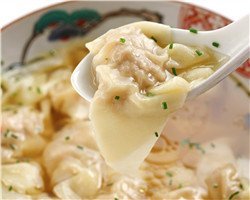
2. Have Soup Often
Soup
is a nutrient dense food and fills you up quickly. You don’t need much, just a
half cup is beneficial. Most Asian soups are made with bones and/or combinations
of vegetables so you’re getting lots of vitamins and minerals even with a small
portion. Whether it is bone broth soup, vegetable or miso, soups are rich in
vitamins and minerals and easily absorbed. Secondly, but equally important is
that the warm temperature of soup (like tea) can improve the entire digestive
process.
3. Eat a 3:1 Ratio Vegetables to Meat
3:1 means three
times the amount of vegetables to the amount of meat. The meat and potato
American diet does not make much room for vegetables on the plate. In fact, the
favorite American vegetable, potatoes, (i.e., French fries) should be replaced
with sweet potatoes if you absolutely can’t live without that starch. Better
still, consider vegetables with bitter flavors. Give radishes, radicchio and
bitter melon a spot on your plate.
4. Small Plates and
Chopsticks
Small serving bowls and small plates are a great way to eat
smaller portions. I love to mix up attractive small plates and bowls in
different shapes and sizes. Not only is it aesthetically pleasing to eat from
these but it helps you eat smaller portions. Chopsticks are an easy way to avoid
the shovel techniques of eating. For the average American inexperienced
chopstick user, they are guaranteed to slow down your rate of consumption and
give your stomach time to send the message to your brain that you’re full and
it’s time to stop eating.
5. Rice Combining
Rice combinations like
black, brown, red, or even purple rice are nutritionally denser than white or
brown alone. (The best is unpolished/less processed rice, because it is rich in
B vitamins.) Rice is eaten to supplement the meal in Asia, not a main course.
Rice has always been a popular carbohydrate, cheap to grow and easy to transport
and store. But as a carbohydrate it is converted into sugar during the digestive
process. This means it can cause a dramatic effect in our glycemic index. This
is good for fast energy, but bad if you want to avoid blood sugar fluctuations
and bad for those who are diabetic or pre-diabetic. Rice combinations are less
starchy therefore less sugar conversion and lower in calories.
6. Not
Every Night Is Dessert Night
My kids will tell you from the time they
were very little if they asked about dessert, my standard answer was “tonight is
not dessert night.” Admittedly, this didn’t work so well past the age of 7, but
it’s still a great rule of thumb. If you must have dessert make it fruit. Fruit
is nutritious and delicious and a common Asian dessert. Cut and serve it up in a
fun and interesting way to make it that much more exciting. Sugary cakes,
cookies and ice cream can be for special celebrations only.
7. Seafood —
See Food Differently
No need to repeat what we already know. Research
supports this common Asian diet practice of eating fish daily. We’ve heard all
about the healthy oils from fish. Fish has always been part of man’s diet nearly
everywhere in the world, not just Asia. But the Asian culture has kept this part
of their heritage alive better than most.
8. Asian Snacks are
Healthier
Take a look at what Asians eat for snacks and compare it with
the American chips and cookies and you’ll understand part of the reason
Americans are so overweight and Asians are not. Choose seaweed snacks, nuts,
dried fruit and seeds. I love pumpkin and sunflower seeds. All are easy to find
in nearly every market. These healthy snacks are packed full of micro-nutrients,
vitamins and minerals and the choices are limitless. One caveat, do watch out
for the salt content of nuts. Raw is preferred but admittedly not as tasty as
salted. If you really want the salt, try “lightly salted” versions.
9.
Optimize Food Temperatures With Seasons
Energetic temperatures of foods
should not be overlooked. Eat warming foods in cold weather and cooling foods in
hot weather. This common-sense rule of thumb is barely spoken in Asia because
it’s simply practiced. Cold drinks and cold foods such celery, melons and cold
salads are not eaten in the middle of winter. Hot soups and stews with meat are
preferred because this is what the body needs in cold weather. A hot summer day
is the perfect time for watermelon or a cooling drink made with aloe and
cucumber. Every food has an energetic temperature and acts on the body
accordingly. Eating the right temperature foods during the various season of the
year is an important part of a healthy diet.
10. Avoid Cow’s Milk and Milk
Combining
Milk combines horribly with just about everything, while
supplying vastly too much calcium and not enough magnesium. Cow’s milk is
completely absent in Asian diets. Other cultures such as Jewish kosher rules
recognized thousands of years ago that milk products should be eaten apart from
other foods. If you just can’t give up cow’s milk, at the very least don’t
ignore the tenet of food combining. Combining the wrong foods, i.e., dairy,
slows down gut motility to a snail’s pace, the exact opposite of what is best
for healthy digestion. Replacements for cow’s milk are easier than ever today
with the arrival of convenient cartons of almond, coconut, rice or organic soy
milk.
That’s 10, but if you would like just one more Asian diet tip there is
one that the previous 10 helped create.
11 is regular bowel
movements
Healthy eating and good digestion create healthy bowel
movements and a healthy gut is a clean gut. A minimum of one bowel movement a
day is an absolute necessity. So much of our immune system is dependent on our
gut health and this is one reason proper digestion is key to optimizing our
health and wellness. This is our body’s natural detox method and the last on
this list of Asian diet tips.